













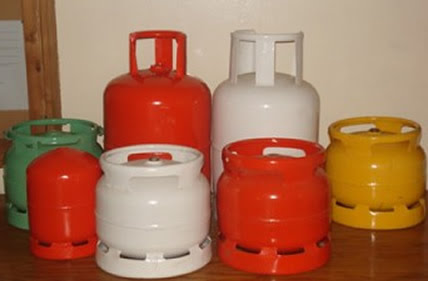
Nigerian households are facing increased financial pressure following a fresh rise in the price of Liquefied Petroleum Gas (LPG), commonly known as cooking gas, which has reportedly climbed to about ₦2,400 per kilogram in several parts of the country.

The latest increase has sparked concerns among consumers, many of whom rely on cooking gas as a cleaner and more convenient alternative to firewood and kerosene.
Market surveys indicate that the rising cost of LPG is forcing some households to reduce consumption, while others are considering a return to traditional cooking fuels despite the associated health and environmental risks.
Industry stakeholders have linked the increase to a combination of factors, including foreign exchange volatility, rising transportation costs, supply chain challenges, and broader inflationary pressures affecting the energy sector.
The development comes at a time when many Nigerians are already grappling with high food prices, transportation costs, and other living expenses, further straining household budgets.
Energy experts have warned that sustained increases in cooking gas prices could undermine efforts to promote clean energy adoption and discourage low-income families from transitioning away from biomass fuels.
Consumers and advocacy groups have called for measures to stabilize LPG prices and improve affordability to ensure wider access to clean cooking energy.
The Federal Government has previously identified LPG expansion as a key component of its clean energy and environmental sustainability objectives, but stakeholders say affordability remains critical to achieving those goals.