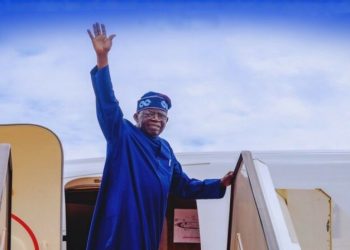



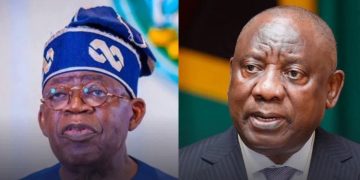








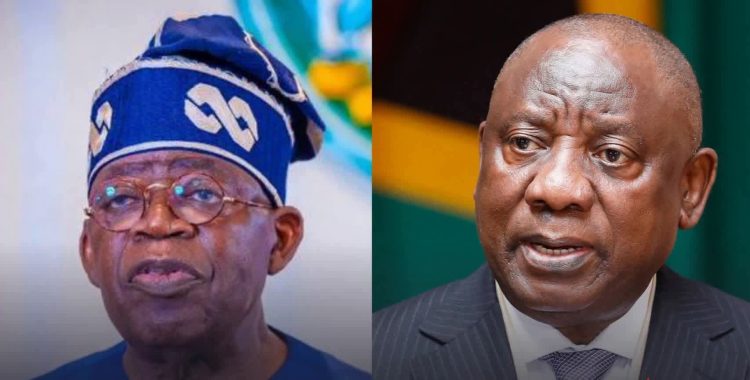
President Bola Ahmed Tinubu has reportedly declined to receive a special envoy sent by South African President Cyril Ramaphosa, amid renewed outrage over persistent xenophobic attacks against Nigerians living in South Africa.

The delegation, led by South Africa’s Minister of International Relations and Cooperation, Ronald Lamola, arrived in Abuja on Friday, July 24, to deliver what sources described as an important message from President Ramaphosa.
According to Daily Sun, the delegation has been unable to secure an audience with the Nigerian leader as diplomatic tensions continue to rise following the latest reported killing of a Nigerian citizen in South Africa.
The development came less than 24 hours after Chika Ibe, a Nigerian resident in Cape Town, was reportedly killed after allegedly being taken from his home at the Parksig Villas Complex in Bellville and tortured by personnel of the South African Police Service (SAPS).
The incident has further heightened concerns over the safety of Nigerians in South Africa, where repeated cases of xenophobic violence have strained relations between both countries over the years.
Nigeria has consistently condemned attacks on its citizens in South Africa and has continued to push for stronger continental action against xenophobia. Speaking at the 69th Ordinary Session of the Authority of Heads of State and Government of the Economic Community of West African States (ECOWAS) in Lungi, Sierra Leone, Vice President Kashim Shettima, who represented President Tinubu, denounced the recurring attacks and pledged that Nigeria would champion tougher measures against xenophobia at the African Union.
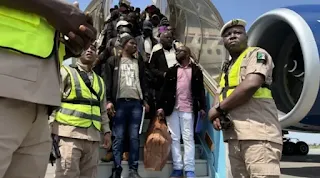
Shettima urged African leaders to adopt a united response to protect the rights and dignity of Africans living across the continent. He also revealed that the Federal Government had previously evacuated 1,490 Nigerians affected by earlier waves of xenophobic violence and reaffirmed Nigeria’s commitment to working with regional and continental institutions to prevent future attacks.
Diplomatic sources told the newspaper that Minister of Foreign Affairs Bianca Odumegwu-Ojukwu advised against granting the South African delegation access to President Tinubu at this time, citing the continued attacks on Nigerians, their businesses, and properties in South Africa. According to the sources, the minister maintained that the delegation could not meet the President without a prior appointment and clear assurances from Pretoria on concrete steps to address the issue.
She was also said to have insisted that South Africa should first submit a signed copy of the Memorandum of Understanding on the Early Warning Mechanism (EWM), signed by both countries in Abuja on October 22, 2025, before further diplomatic engagements could proceed.Nigerian officials reportedly expressed dissatisfaction that South Africa has yet to ratify the agreement, describing the reasons given for the delay as inadequate.
The Early Warning Mechanism was designed to strengthen cooperation between Nigeria and South Africa by improving intelligence sharing, monitoring threats of violence, protecting citizens, and facilitating rapid communication to prevent xenophobic attacks and other security incidents involving foreign nationals. Officials at the Ministry of Foreign Affairs also noted that the framework could have strengthened efforts to pursue compensation for Nigerians whose businesses and properties were destroyed during previous xenophobic attacks. However, South African authorities have reportedly not compensated affected Nigerian victims.
As of the time of filing this report, sources within the Presidency said President Tinubu had not agreed to receive the South African envoy. The outcome of a reported telephone conversation initiated by President Ramaphosa over the weekend also remained unclear. Observers believe South Africa’s diplomatic outreach may be motivated by concerns that worsening relations with Nigeria could affect South African businesses and investments operating in the country, as well as Nigeria’s growing campaign for stronger African Union action against xenophobia targeting African nationals.