










The Federal Government has declared Friday, May 1, 2026, as a public holiday to commemorate this year’s International Workers’ Day and honour the contributions of Nigerian workers to national development.

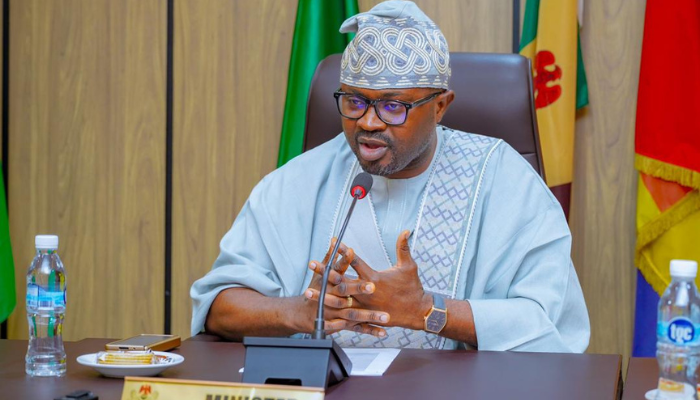
The announcement was made by Olubunmi Tunji-Ojo on behalf of the government, according to a statement released on Thursday in Abuja.
The statement, signed by the Permanent Secretary of the ministry, Magdalene Ajani, said the annual celebration provides an opportunity to recognise the role of workers in sustaining economic growth and public service delivery across the country.
Congratulating employees nationwide, the minister praised Nigerian workers for their dedication, resilience and commitment in both the public and private sectors.
He noted that the efforts of workers remain central to Nigeria’s progress, adding that their contributions continue to support productivity, innovation and the functioning of key institutions.
Tunji-Ojo urged workers to sustain the values of patriotism, discipline and commitment to duty, describing these qualities as essential to national advancement.
He also reaffirmed the Federal Government’s commitment to policies aimed at improving workers’ welfare, enhancing security and creating an enabling environment for business expansion and job creation.
According to the statement, the administration remains focused on economic reforms intended to strengthen employment opportunities, improve incomes and promote sustainable development.
The minister further appealed to citizens to remain peaceful and law-abiding during the holiday period, while using the occasion to reflect on the importance of unity and hard work in nation-building.
He wished workers across the federation a successful and rewarding celebration.
International Workers’ Day, also known in many countries as Labour Day or May Day, is marked annually to celebrate the achievements of workers and the labour movement.
The observance traces its roots to 19th-century labour rights campaigns, including demands for fair wages, safer working conditions and reduced working hours.
In Nigeria, Workers’ Day is traditionally marked with parades, speeches and organised events led by labour unions such as the Nigeria Labour Congress and the Trade Union Congress of Nigeria.
These events often provide a platform for labour leaders to raise concerns over wages, inflation, pensions, working conditions and broader economic policy issues affecting employees.
Recent years have seen increased public attention on workers’ welfare due to inflationary pressures, rising living costs and calls for improved remuneration in several sectors.