







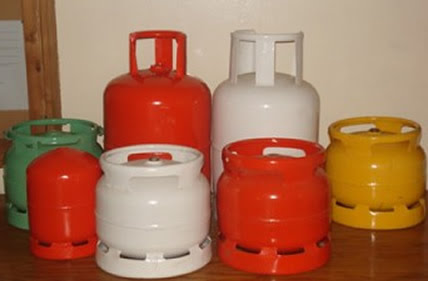
The price of cooking gas has dropped across Nigeria, with Dangote Refinery pushing the latest reduction in rates.

Fresh market figures show that the refinery has cut its ex depot price of liquefied petroleum gas to N760 per kilogram. Other private depot operators are now selling at an average of N800 per kilogram.
This latest adjustment represents one of the sharpest reductions recorded in recent months. Since January 2026, cooking gas prices have continued to trend downward, supported by reduced imports and stronger local supply.
Industry observers say improved foreign exchange stability and increased domestic production have played key roles in the decline. With more product available in the market, competition among depot owners and retailers has intensified.
While depot prices now range between N760 and N800 per kilogram, retail outlets sell at slightly higher rates to cover distribution and operational expenses. Some major retailers are currently selling around N950 per kilogram.
Dealers say the market has changed significantly compared to last year when scarcity pushed prices higher.
John Otu, a dealer in the Iju area of Lagos, explained that the easing began earlier in the year. “We started noticing a drop in prices from early January. Unlike before, retailers can now access the product more easily,” he said.
He added that supply challenges that once caused long queues have eased. “Before now, we had queues at major supply points due to scarcity and price differences,” he noted.
Another dealer, Solomon Olarenwaju, said the growing competition among sellers has also influenced pricing. “The competition has gotten fierce, and pricing is now the main strategy to attract customers,” Olarenwaju said.
According to him, dealers are working with slimmer profit margins as they try to remain competitive while keeping operations sustainable.
Energy analysts say the stronger performance of the naira and better access to foreign exchange have helped reduce the landing cost of imported LPG. At the same time, local refining capacity has improved supply levels, easing pressure on prices.
Experts believe that if current conditions remain stable, cooking gas prices could fall further in the coming months. However, they warn that changes in global energy prices and transportation costs could still affect the market.
For many households, the drop in prices comes as welcome relief. Over the past year, rising costs forced some families to return to firewood and charcoal for cooking.
With supply improving and prices easing, more Nigerians are expected to switch back to cooking gas, as the market shows signs of stability and better availability nationwide.